
Yusuf Özçetin
I compress neural networks with tensor networks from quantum physics.
Undergraduate researcher, EEE and Computer Engineering at Turkish-German University, Istanbul. Looking for research internships.
Email me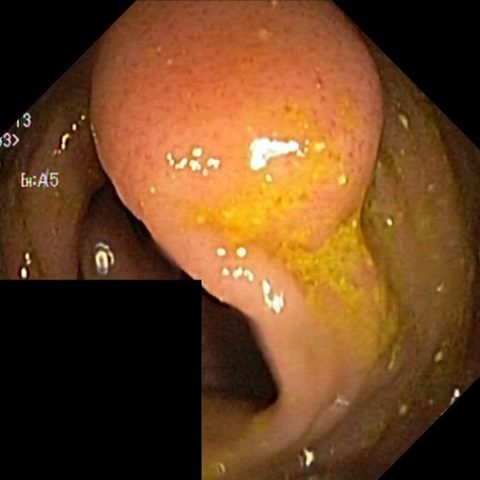
HybridQTN
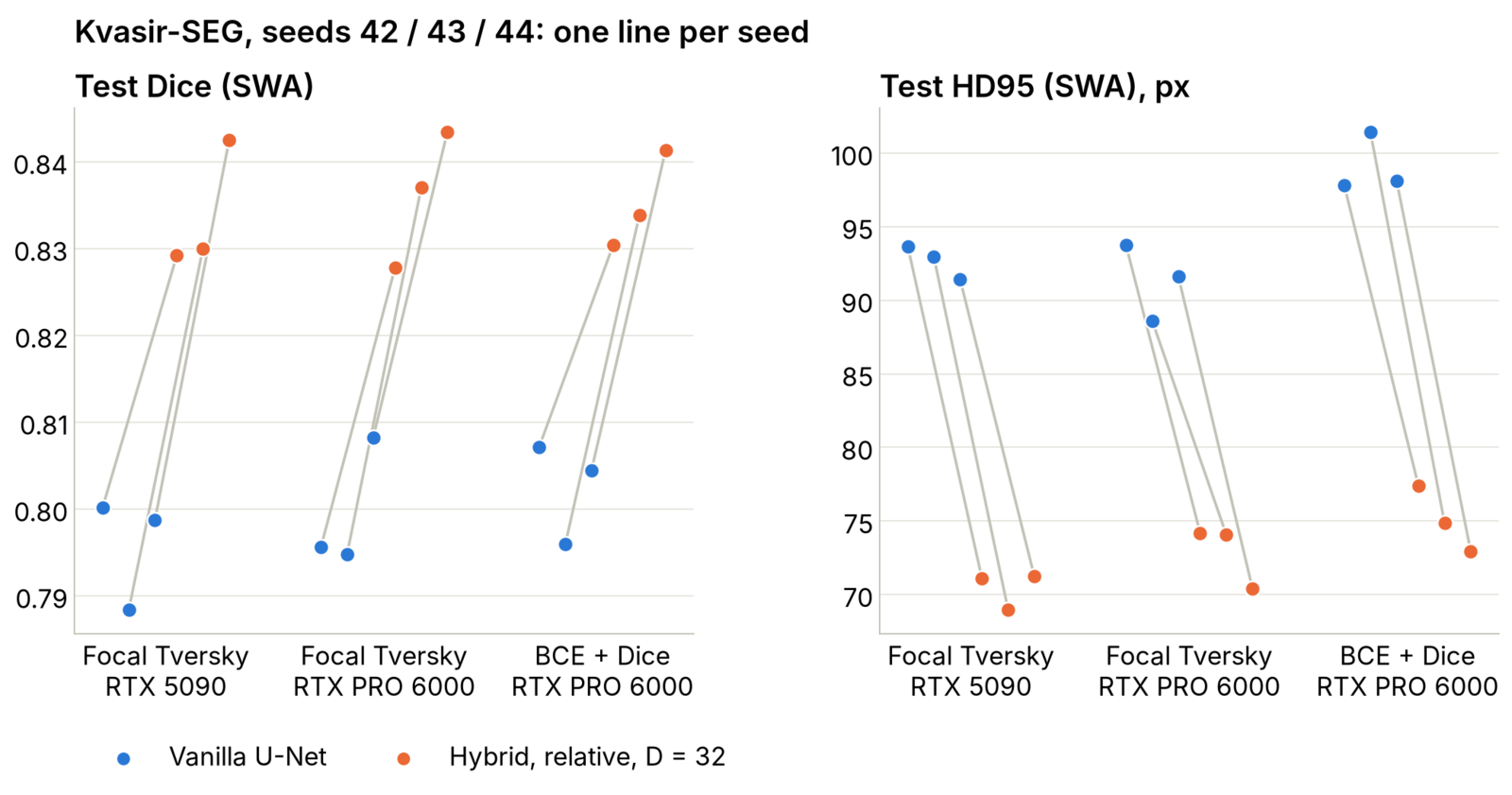
A U-Net keeps half its parameters in the bottleneck, yet that stage only links neighbouring pixels. HybridQTN replaces it with a tensor-network block that lets every position see the whole image, and the network gets smaller and better at once.
- Parameters
- 28.9M → 16.0M
- Bottleneck alone
- 14.2M → 1.16M
- Test Dice, Kvasir-SEG
- 0.800 → 0.836
- Boundary error, HD95
- 18.5 px lower
- Validation Dice 0.80 reached
- epoch 32, not 56
Every one of nine seed pairs, across two GPU types and two losses, favours the hybrid. It also wins on CVC-ClinicDB, with sequence-split cross-validation and when trained only on Kvasir-SEG.
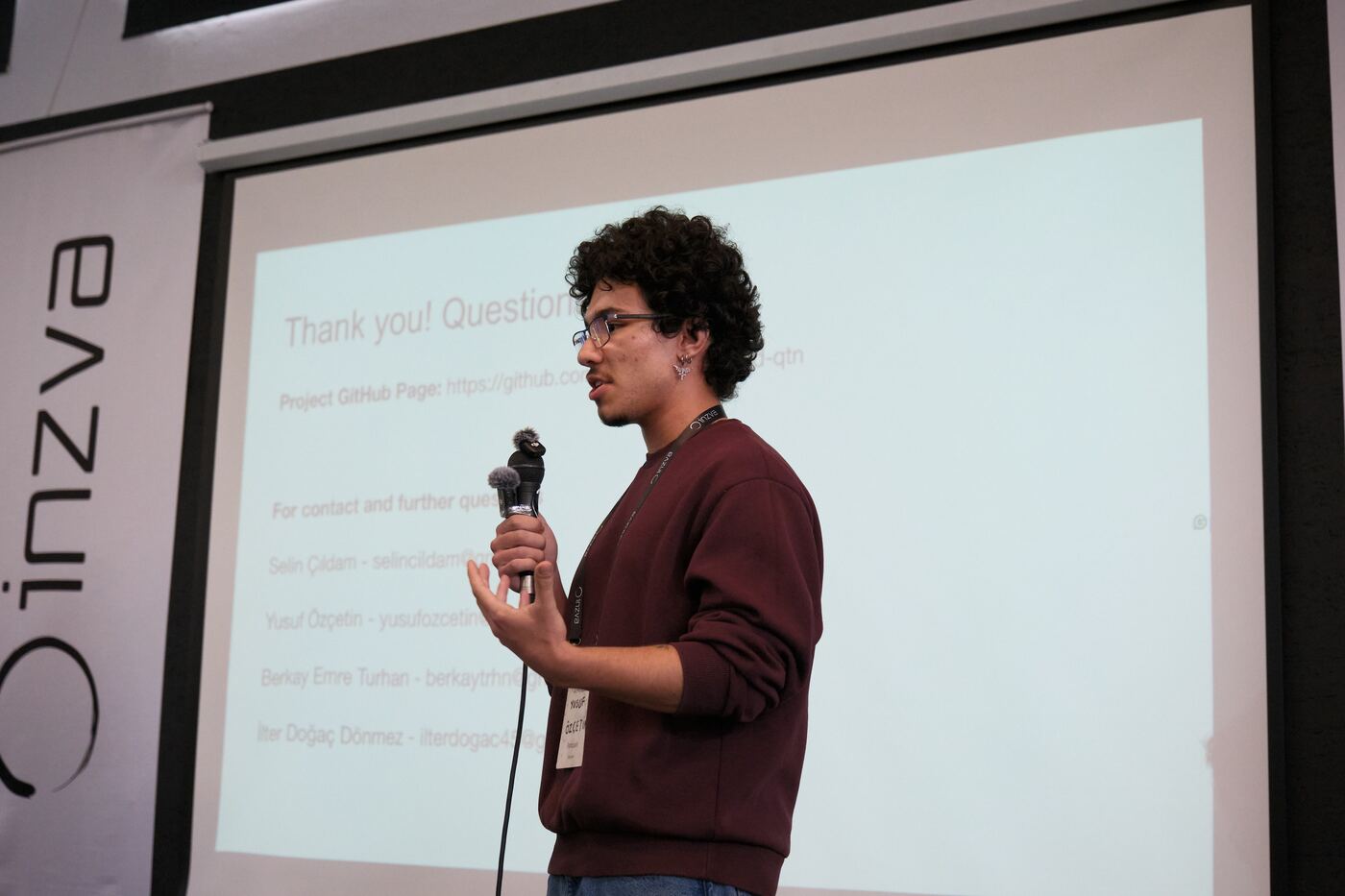
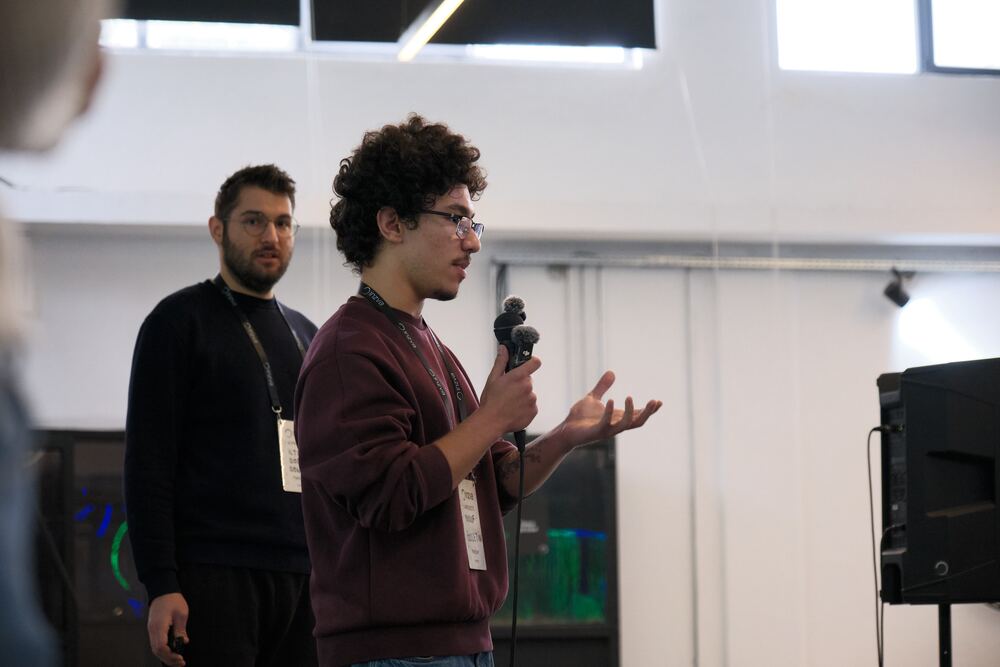
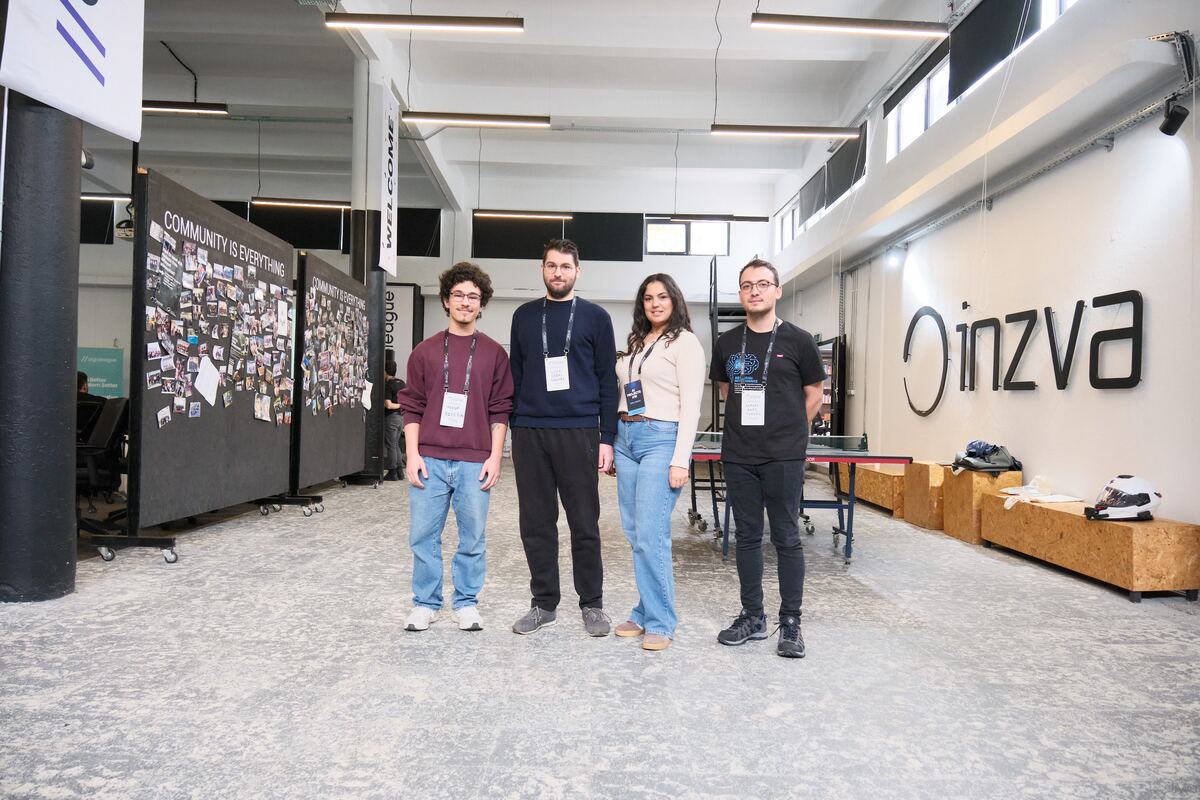
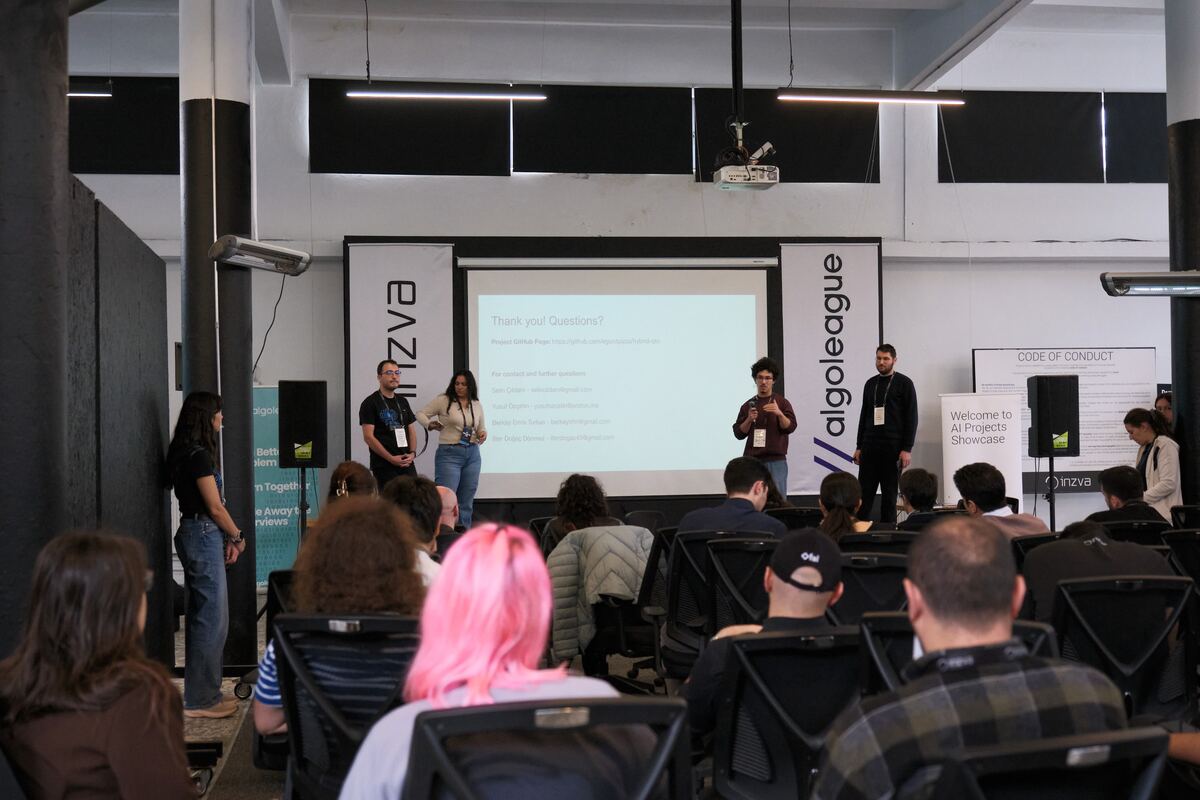
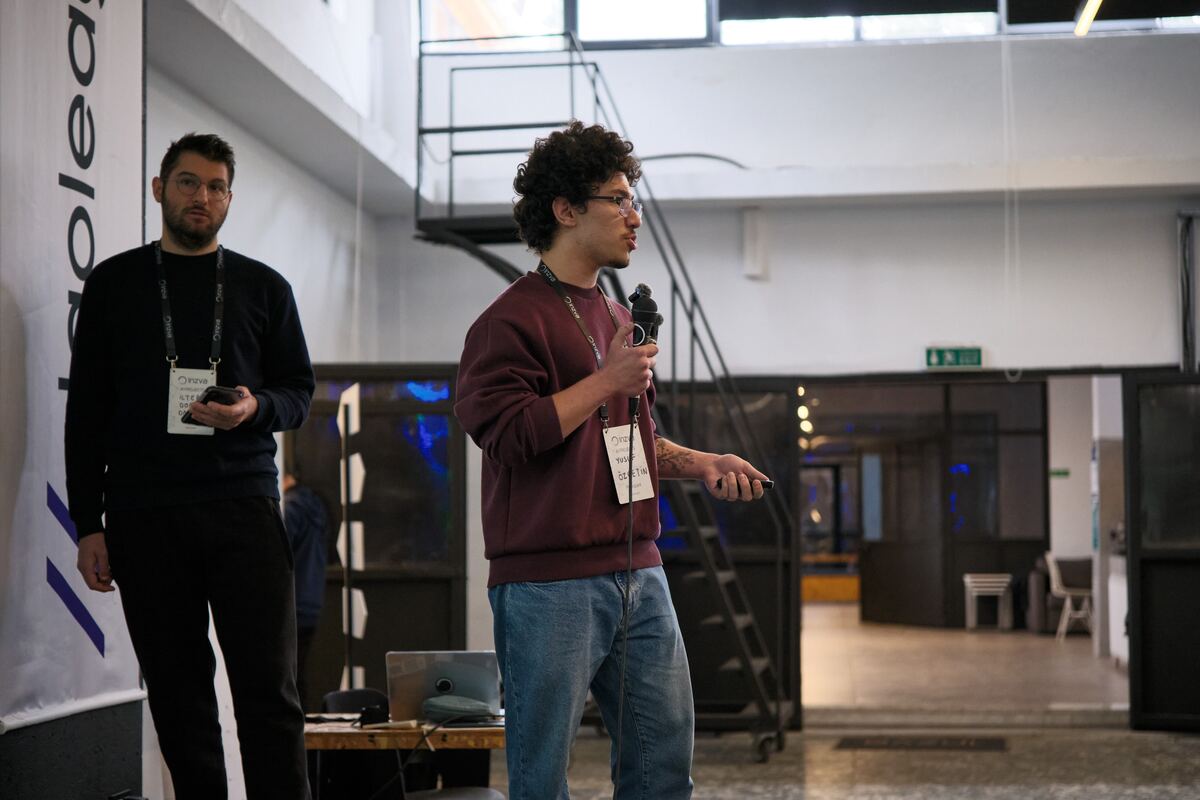
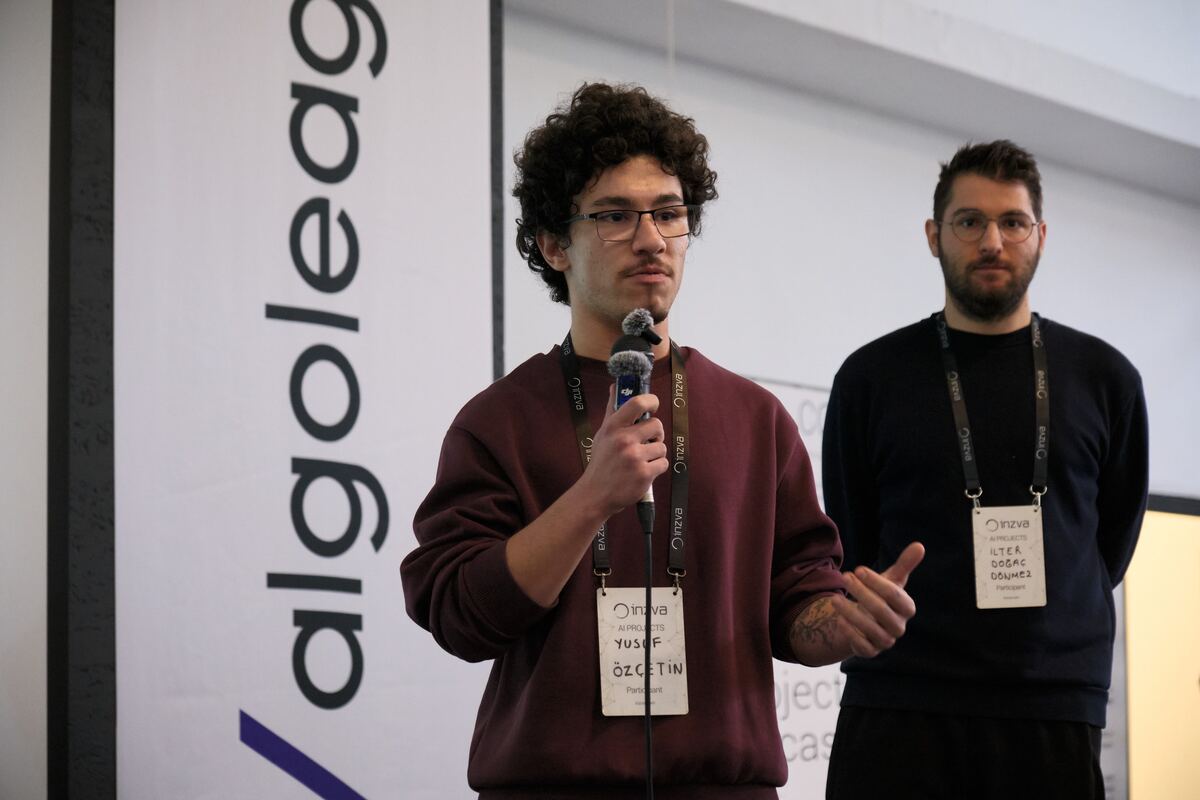
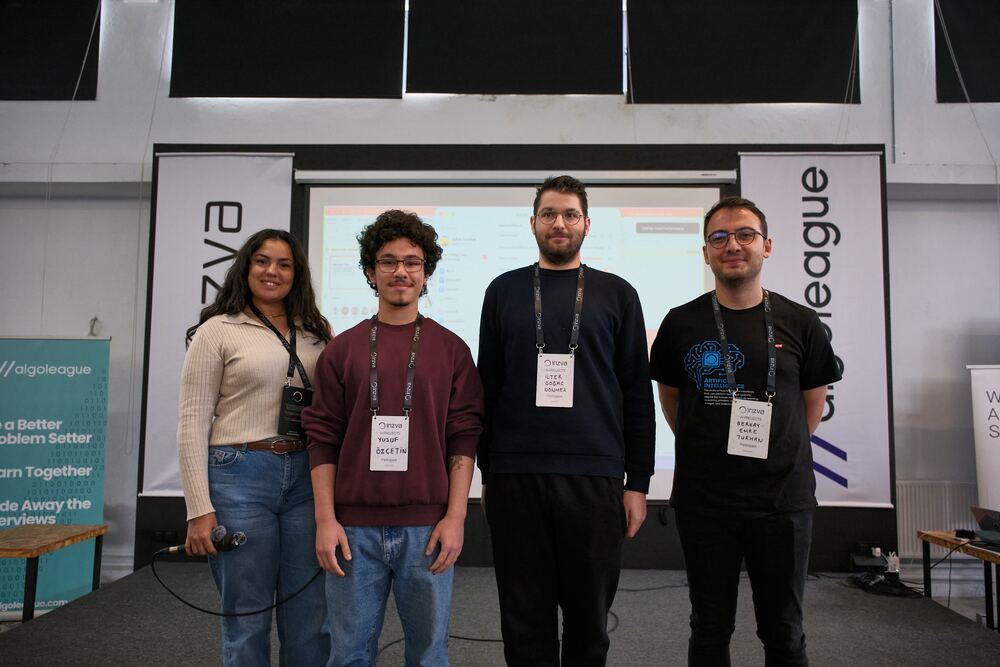
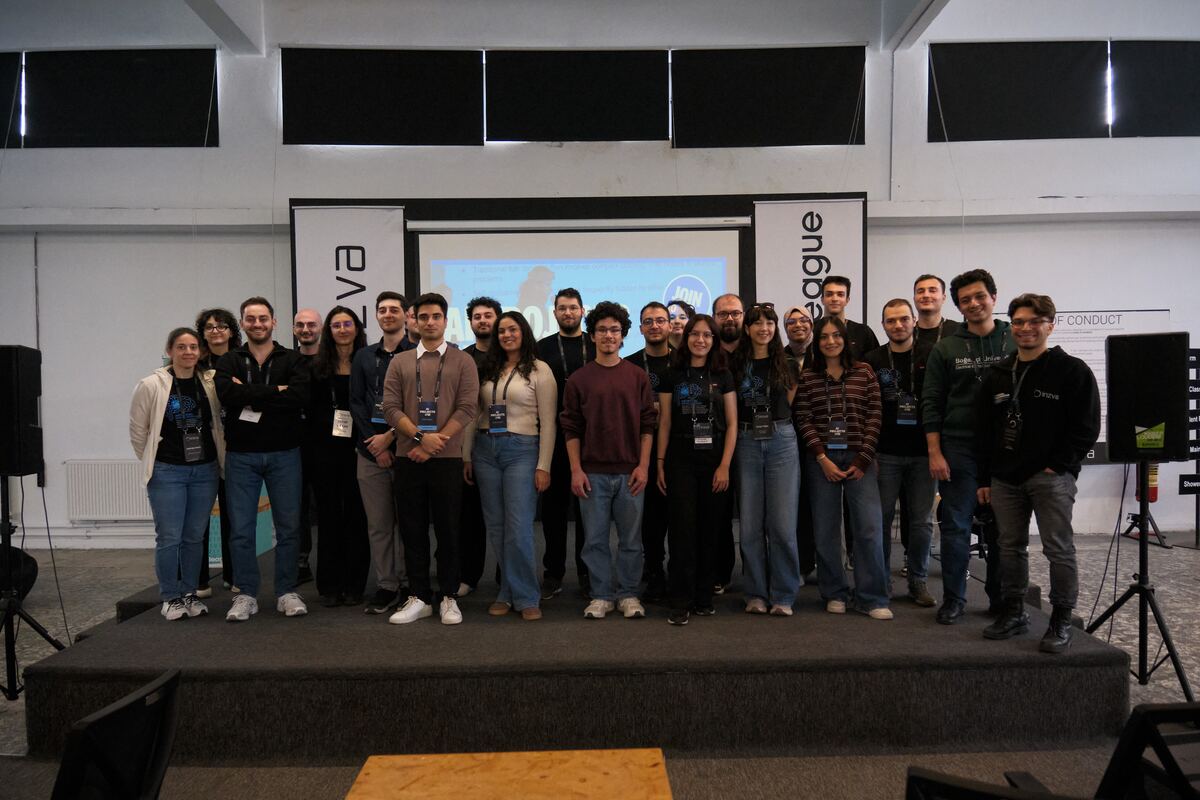
Team of four students with an academic supervisor, built during inzva's AI Projects #10. I led the methodology, designed the relative (Toeplitz) operator and built most of the training and evaluation pipeline.
Show on the frame
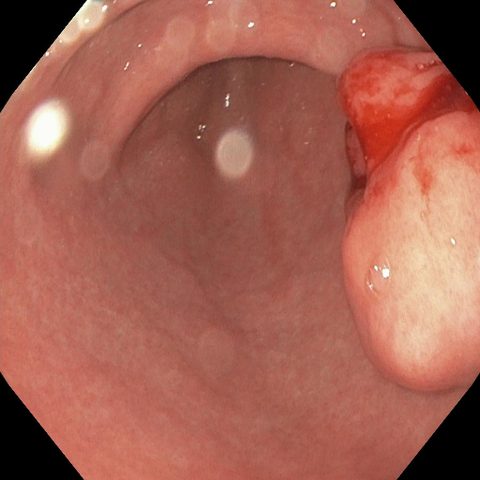
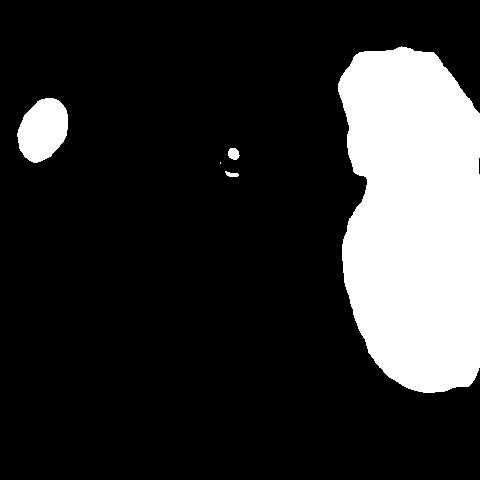
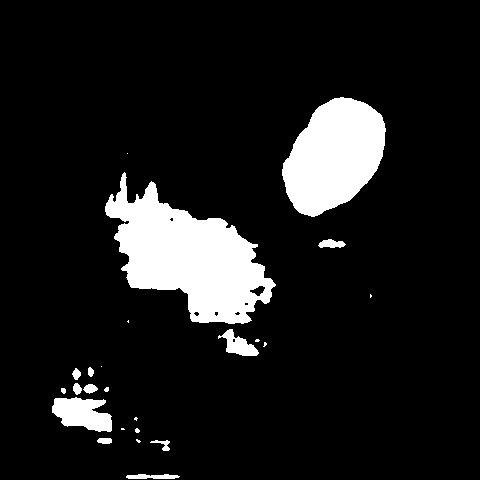
Test frame
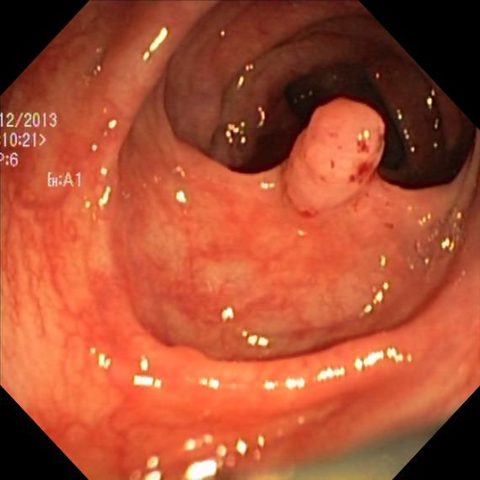
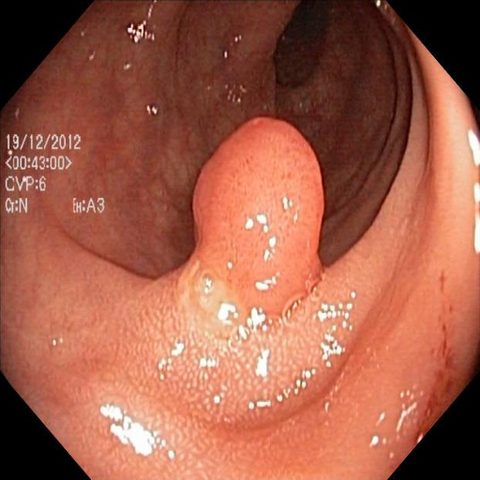
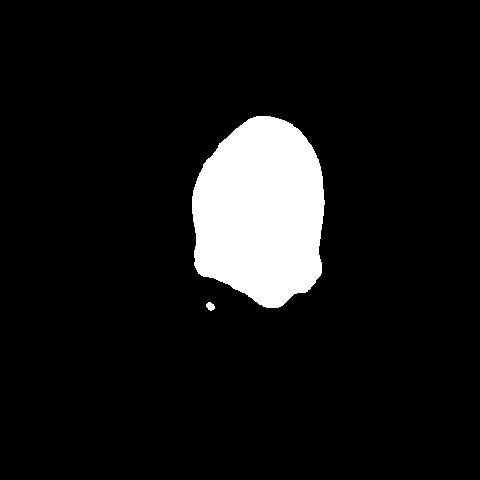
A small polyp the U-Net breaks into fragments; the hybrid finds all of it.
Real predictions from the seed-43 checkpoints on held-out Kvasir-SEG test images. Four large gains, one tie and one frame where the U-Net is better.
Everything else
Research, open source, engineering, tools, teaching and events since 2022. Each spine with a link opens its code or page.
- HybridQTNresearch
- Segmentation masks for movementresearch
- movement draft PR #936open source
- QSummer 2026, QWorldquantum
- Kızagan fighting UAVengineering
- Mithral air-defence turretengineering
- Find, UWB people trackerengineering
- Dice RNG on MSP430engineering
- stv-election-clitools
- LeetQuerytools
- Night Light Toggletools
- DFIS font installertools
- EmergencyDownloadertools
- Pronoun checkertools
- BIST trackertools
- Atatürk quotes APItools
- EgoistBottools
- CODEX AI Hackathonevents
- Vibe Coding Hackathonevents
- SchlüsselRolle panelsevents
- Plauderstundeevents
- C masterclass, finalsteaching
- C masterclass, midtermsteaching
- MATLAB masterclassteaching
- Competitive programmingteaching
- InformatiX websiteweb
- CODEX websiteweb
- PythonDocsnotes
- RustDocsnotes
- LaTeX-Docsnotes
About
- Based in
- Istanbul, GMT+3
- Studying
- EEE, 2024–2029, and Computer Engineering double major, Turkish-German University
- Languages
- Turkish, English, German
I want neural networks that are smaller without seeing less. Tensor networks, built to describe entangled quantum systems, store a large operator as a chain of small tensors, and the bond dimension sets how much correlation can pass along it. Before HybridQTN I captained a high-school UAV team and wrote its real-time target detection. In summer 2026 I completed QSummer, QWorld's quantum programming school.
Record
Teaching
- C midterm masterclass, 80–90 liveNov 2025
- MATLAB masterclass, 30 liveNov 2025
- Competitive programming, 10 workshopsFall 2025
- C masterclass for finals, ~100 liveJan 2026
Organising
- InformatiX Club, board member2025
- Vibe Coding Hackathon, 15 teamsNov 2025
- InformatiX Club, chair2025–26
- SchlüsselRolle panelsMar 2026
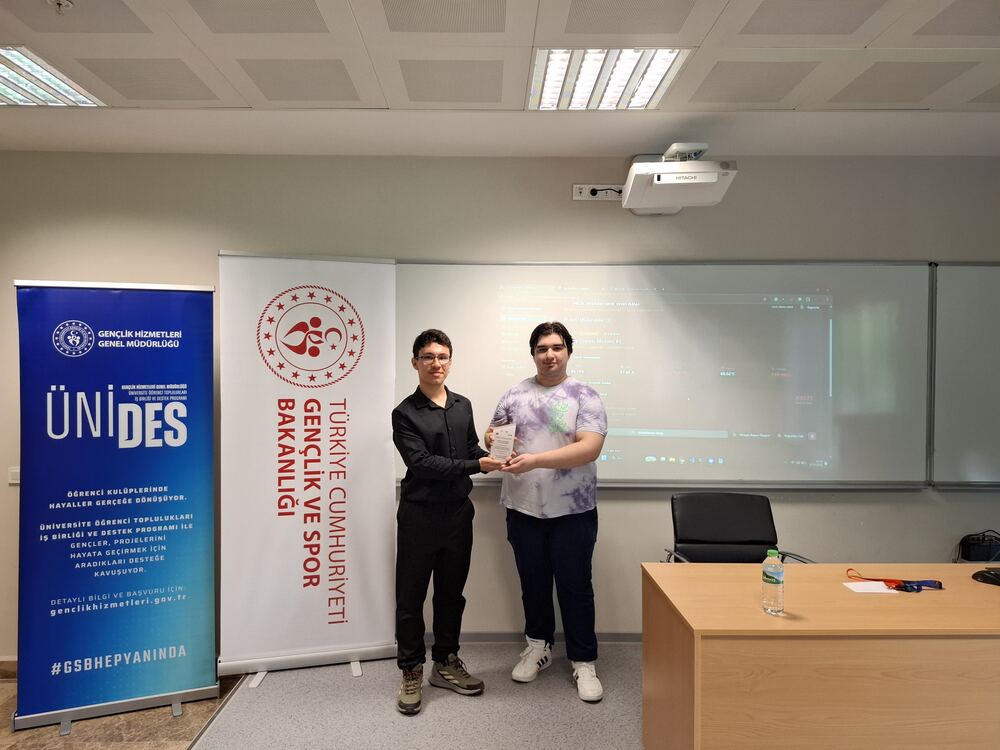
- CODEX AI Hackathon, nationalMay 2026
- KAYRA UAV Team, captain2022–23
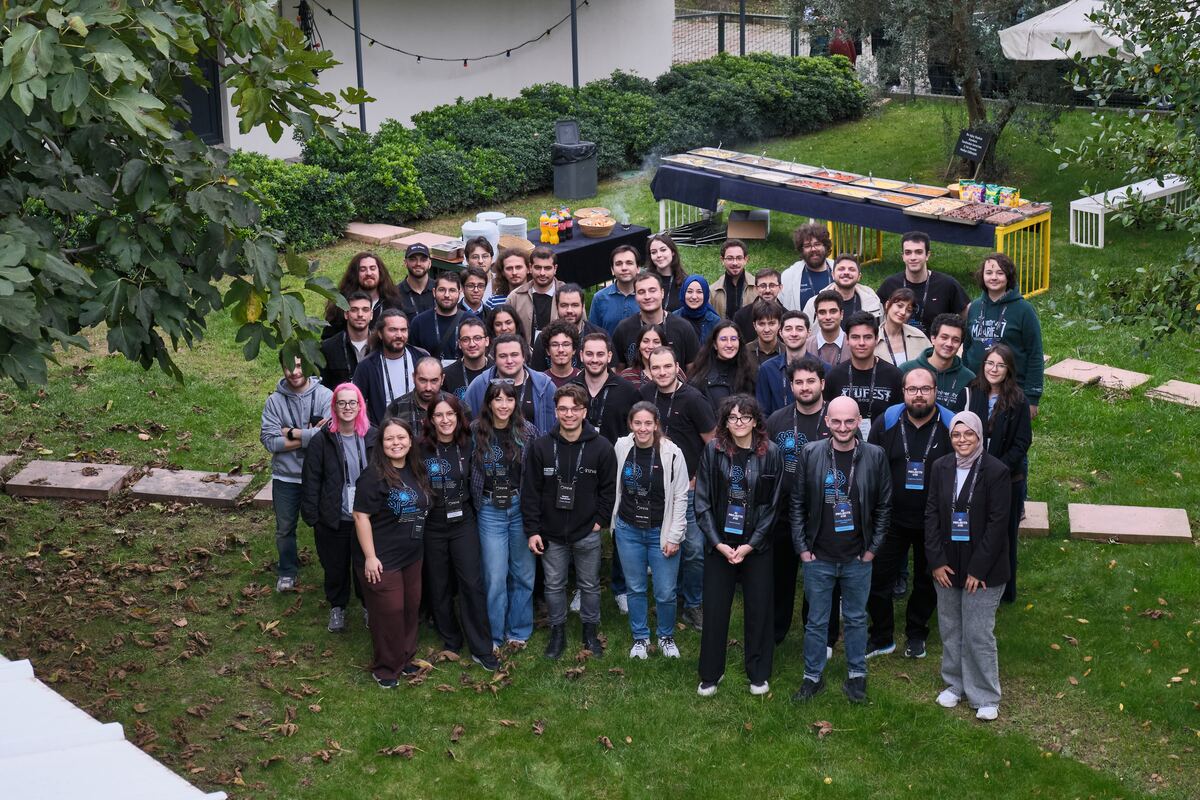
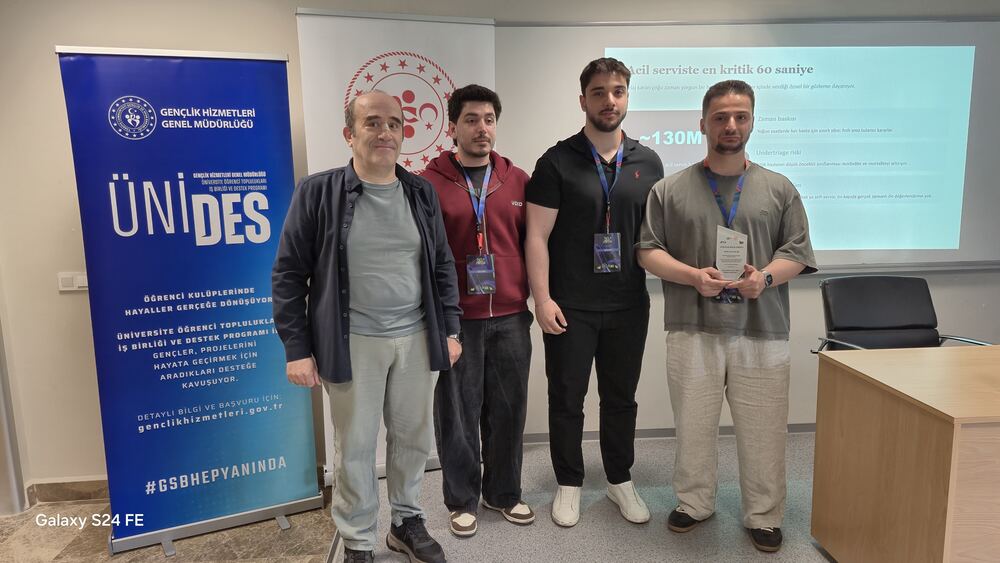
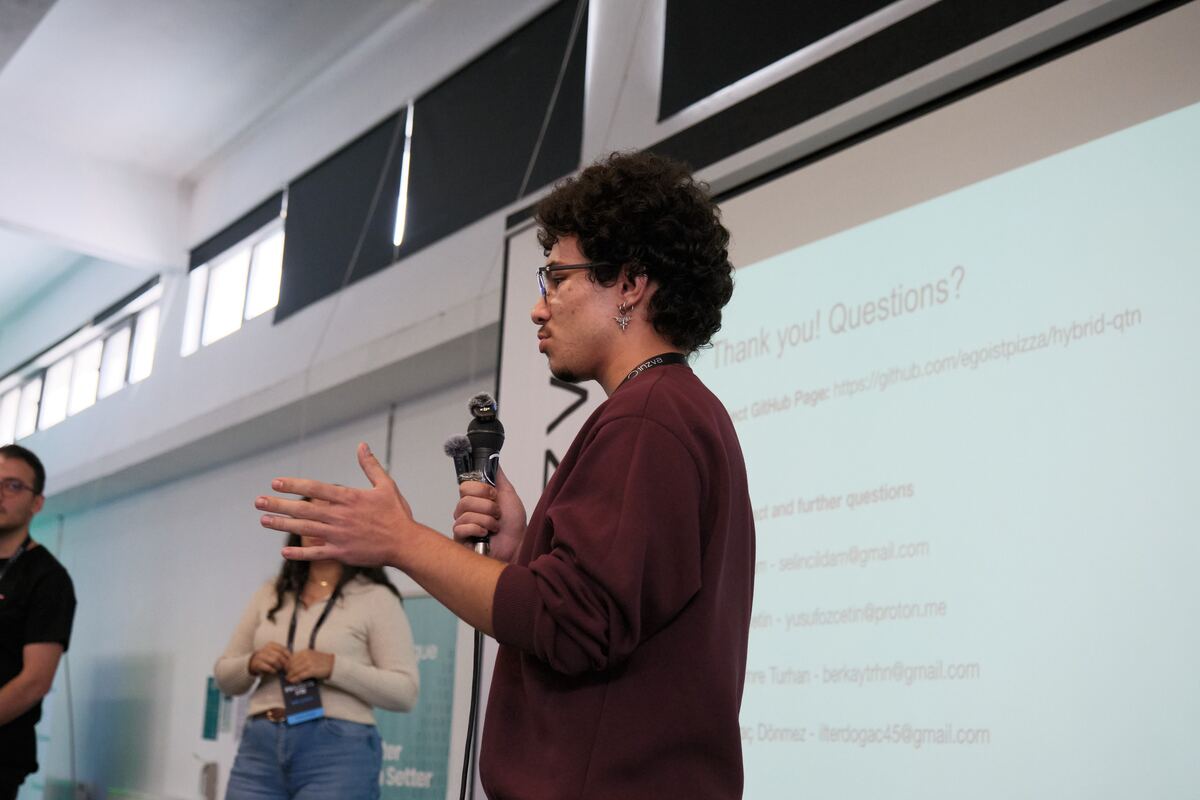
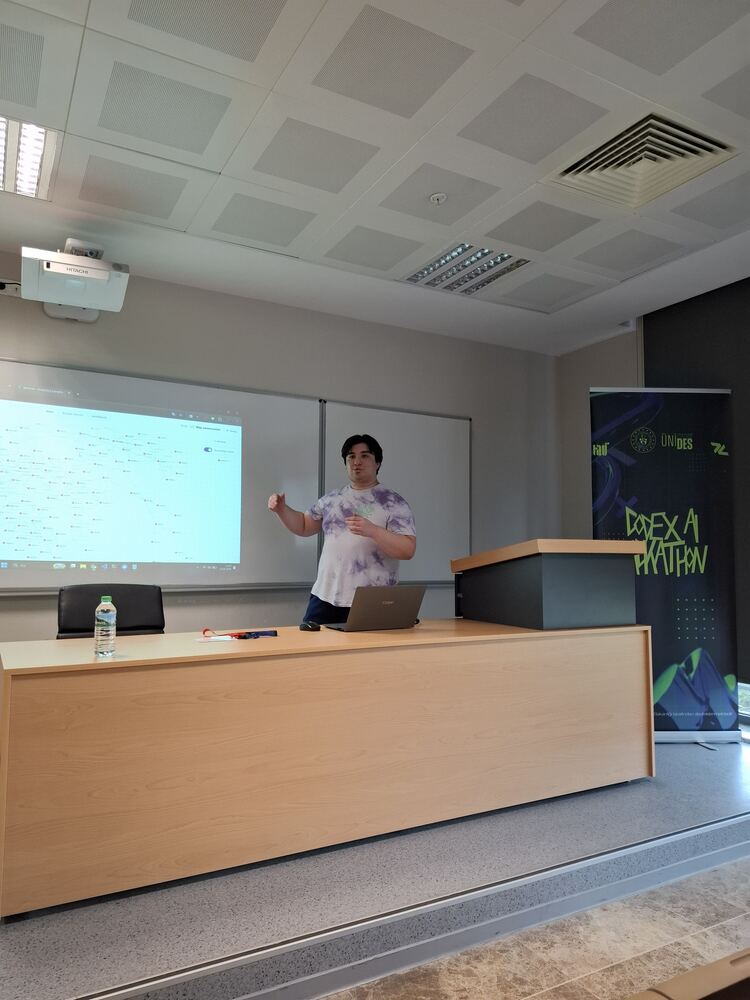
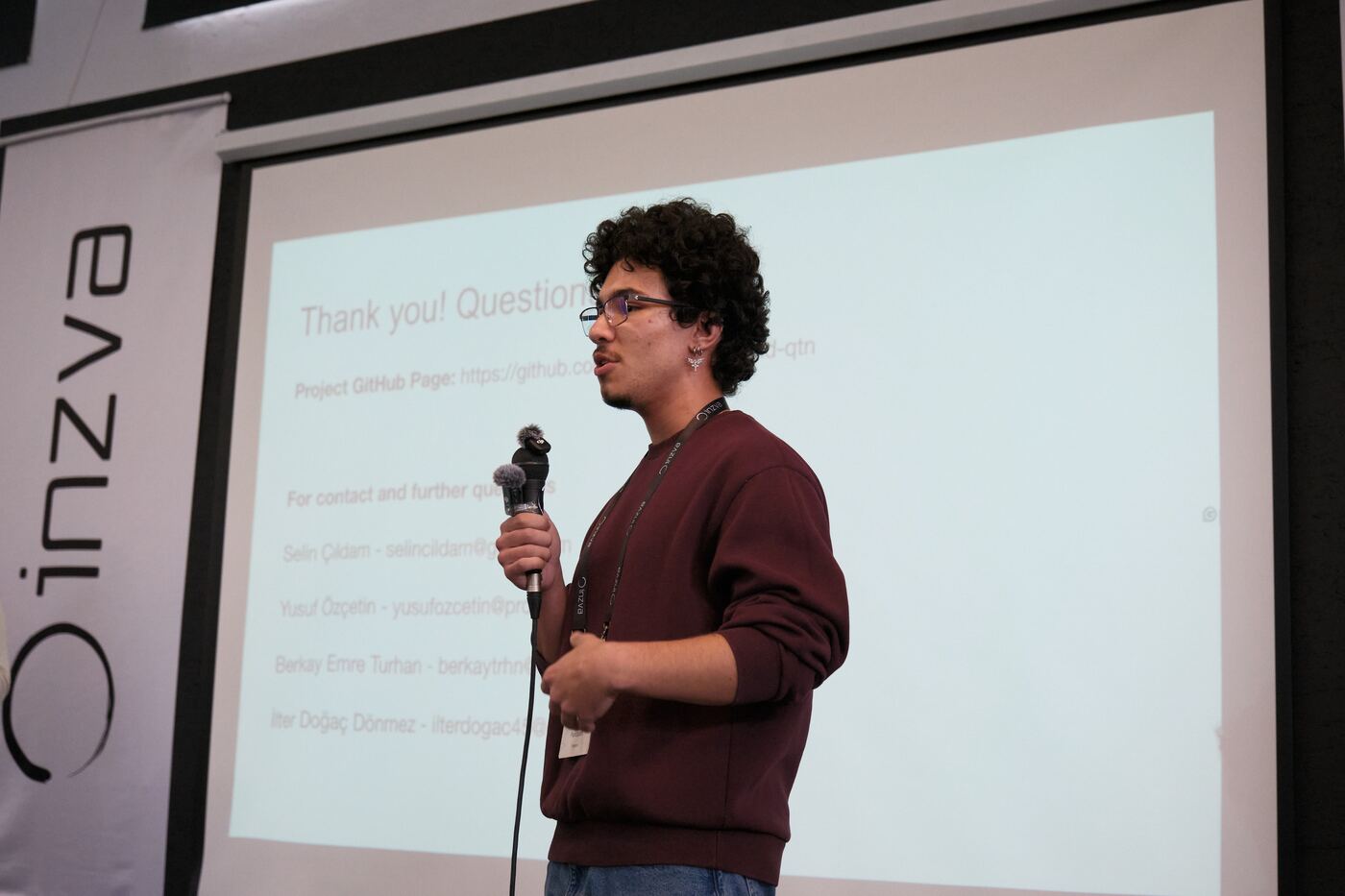
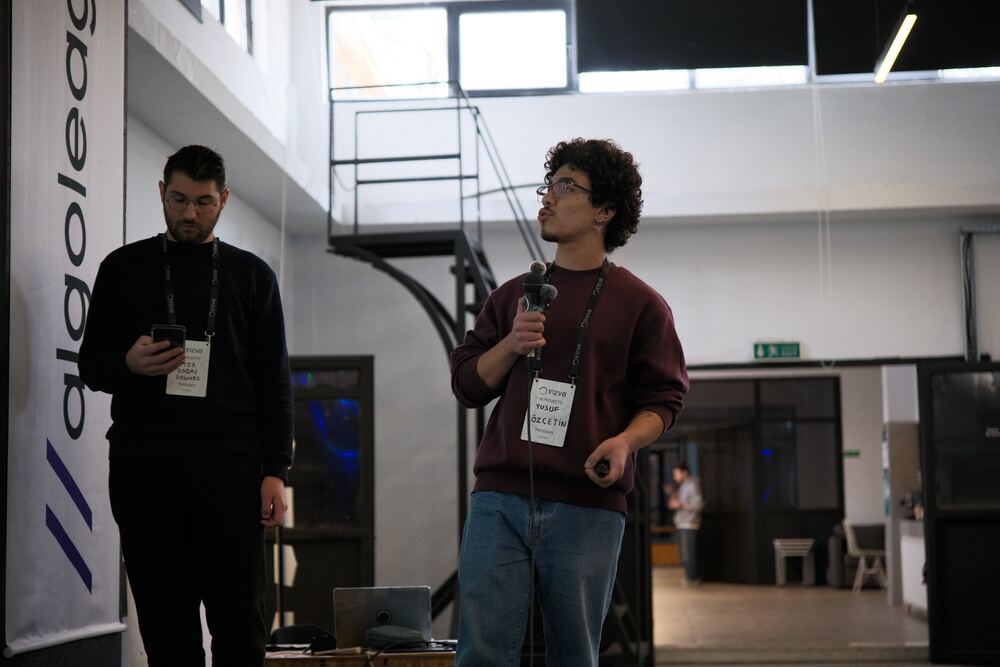
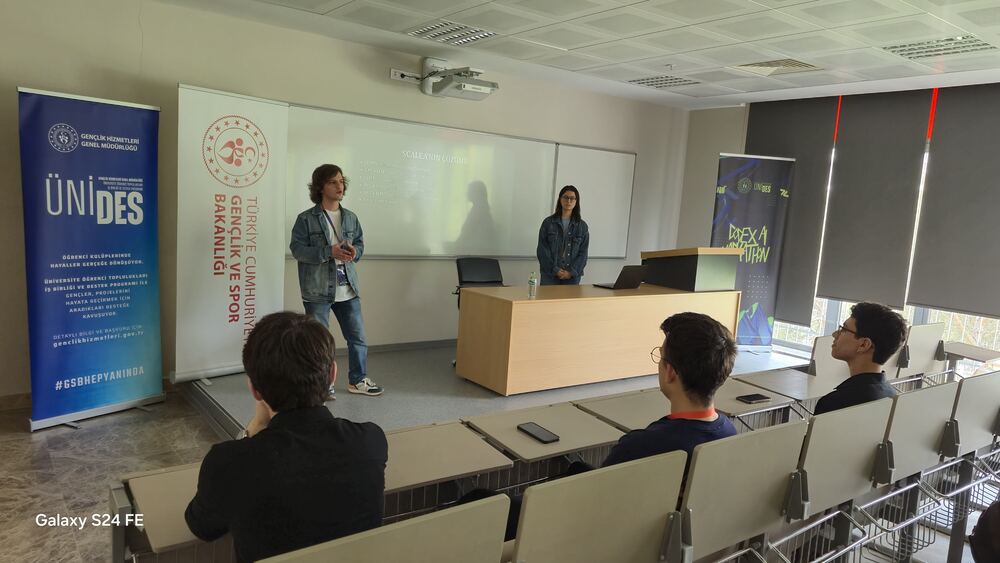
From the room 14 photos
Contact
I'm looking for research internships in efficient deep learning, tensor networks and computer vision.
Working on something close to this?
Istanbul, GMT+3. Turkish, English or German.